


Digital Agency Blog
The Most Common Trafficking Mistakes (And How We Prevent Them)
Print production is tangible, tactile, and highly rewarding—but it comes with its own set of pitfalls. A misaligned margin, a missing bleed, or an incorrect color profile can quietly derail a campaign, increase costs, and delay delivery. It can sometimes feel like the paper has a mind of its own, but structured workflows and careful attention to detail keep every project on track.
At a full-service marketing agency like FabCom, we treat print trafficking as a strategic process, not a mundane step. When properly executed, it ensures high-quality deliverables, maintains brand integrity, and keeps projects on time and on budget. By treating print as a strategic extension of a brand, we ensure that every piece delivers impact and sets the stage for successful campaigns.
Where Strategic Marketing Becomes Tangible
While FabCom is known for innovative digital strategy and interactive marketing experiences, print production remains a significant and strategic part of what we do. As a full-service marketing agency, our work doesn’t stop at the screen. We routinely manage and produce:
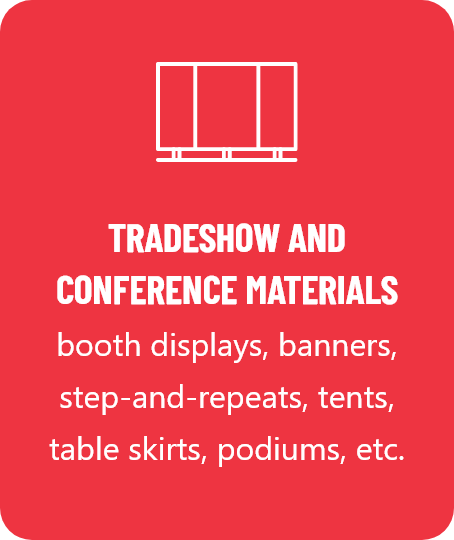
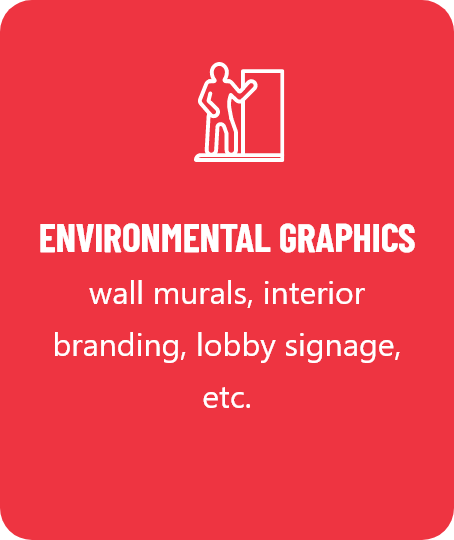
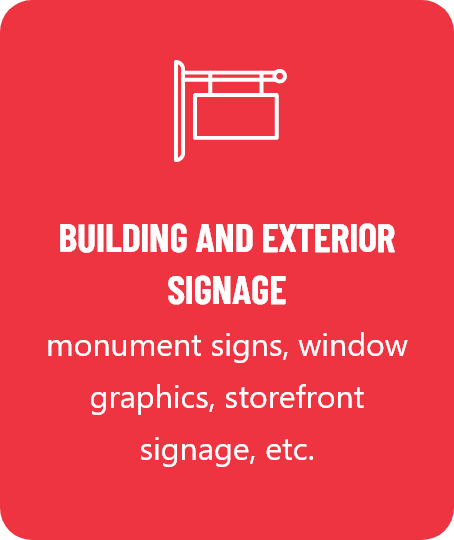
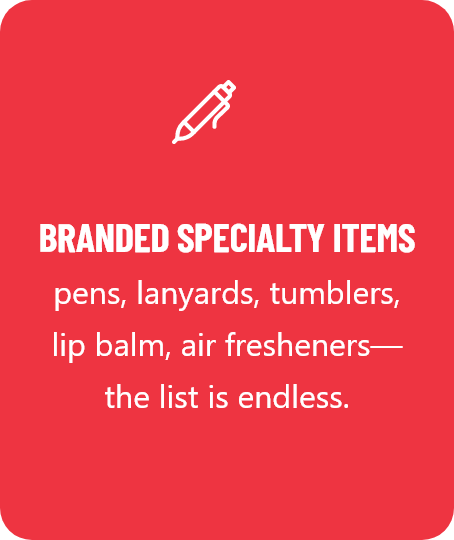
From a simple business card reorder to a multi-location environmental branding rollout, print is often where a brand becomes tangible. It’s what prospects hold in their hands, see on walls, or experience in person at events.
Because print is physical, there is no “undo” button. That’s why disciplined print trafficking and production oversight are critical. At FabCom, we don’t treat print as an afterthought—we treat it as brand infrastructure. Even small mistakes in this process can undermine a campaign’s impact, which is why spotting potential issues before they reach production is essential to maintaining quality, efficiency, and brand integrity.
Errors That Quietly Kill Performance and Efficiency
Print mistakes in traditional publishing often start small but can escalate fast. A missing bleed or an outdated logo might seem minor, but by the time it reaches production, it can trigger delays and costly reprints. Even subtle misalignments or inconsistent colors can affect how audiences perceive a brand.
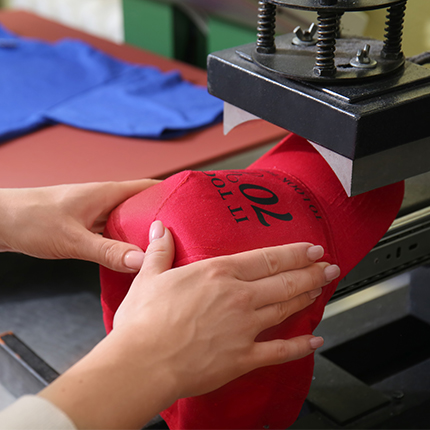
Some of the most common errors include:
- Misaligned layouts or crop issues
- Incorrect paper stock, dimensions, or coatings
- Unembedded fonts or missing images
- Inconsistent brand elements
Catching these issues early prevents costly delays and helps campaigns maintain the high-quality standards clients expect. When print assets are preflighted and double-checked, the production process becomes smooth, predictable, and far less stressful for both the marketing agency and the client. Ensuring these mistakes are caught before production isn't left to chance—that’s where a rigorous QA process comes in, systematically protecting budgets, timelines, and brand integrity.
QA Systems That Catch Issues Early and Protect Client Budgets
Quality assurance (QA) is the backbone of effective print production. At FabCom, a leading Phoenix marketing agency, every piece goes through multiple stages of review with multiple departments.
The client services team reviews and verifies file versions and campaign content to ensure the client’s very latest edits are captured in the final files. Our lead copywriter then gives each piece a careful once-over to verify there are no errors. When the printer’s proof arrives, the design team checks layouts, confirms folds, verifies colors, and inspects every detail before the project moves fully into production. This layered review process ensures nothing slips through the cracks, and every piece meets FabCom’s high standards for quality and brand consistency.
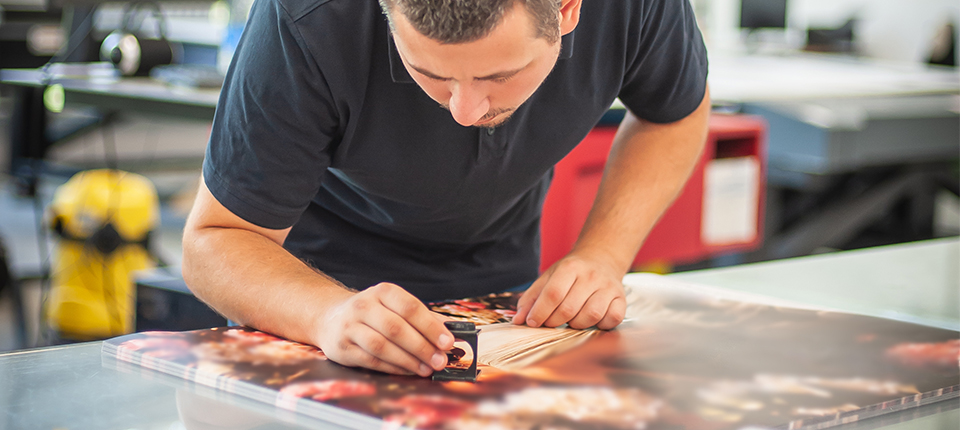
By catching potential issues early, we minimize reprints, protect client budgets, and reduce the need for last-minute fixes. Our QA process also provides peace of mind for the client, ensuring their campaigns reach production on time and with flawless execution. Maintaining this level of quality not only requires thorough review processes but also depends on standard operating procedures that guide every step of the print process, ensuring campaigns run smoothly from start to finish.
FabCom’s Trafficking Safeguards and SOPs
Print trafficking at FabCom follows clear, repeatable workflows that make scaling campaigns seamless. Standard operating procedures (SOPs) cover every step, from file prep and proofing to final approval and delivery. Clear ownership at each stage ensures accountability and minimizes errors.
Key safeguards include:
-
 Preflight checklists for color accuracy, layout, and file integrity
-
 Structured proof approvals with designated ownership
-
 Documentation that supports consistent quality across campaigns
These processes aren't bureaucracy; they're designed to keep campaigns efficient, protect budgets, and maintain deadlines. Because print production touches multiple points—design, copy, proofs, approvals, and press—a single oversight can cause delays or extra costs. By combining SOPs, QA processes, and proactive communication, FabCom keeps every project running smoothly.
Attention to detail ensures colors reproduce correctly, layouts are precise, and brand standards are consistently met. These internal safeguards are crucial, but maintaining timelines and budgets also depends on strong vendor partnerships and knowing which production partners can deliver quality on every type of project.
Vendor Relationships That Protect Budgets and Timelines
One of the most overlooked risks in print production is vendor management. Over the course of 30+ years, FabCom has produced thousands of printed and fabricated pieces across virtually every format and substrate. That experience matters.
For every project, we:
-
 Source competitive quotes from multiple trusted vendors
-
 Evaluate not just price, but quality, timelines, materials, and production methods
-
 Match the right partner to the specific project requirements
Price alone doesn’t determine value. Paper stock, coating type, binding method, installation logistics, freight timing—each variable impacts both budget and outcome. Because we understand where production issues tend to occur, we proactively mitigate risk before it becomes a costly problem.
Decades of print production experience have allowed us to build relationships with printers, fabricators, and installers who consistently deliver quality and strong value. We know:
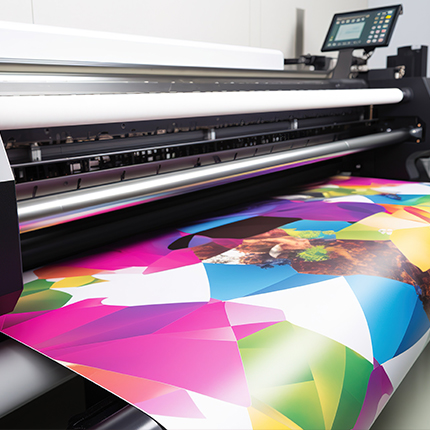
- Which partners excel at short-run digital
- Which are strongest for high-volume offset
- Who produces the most reliable tradeshow displays
- Where specialty finishes are executed best
- How to avoid common fulfillment and freight pitfalls
That knowledge saves clients time, stress, and unnecessary expense. When organizations attempt to manage print production internally for the first time, they often discover the hidden complexity—file specs, proof cycles, vendor coordination, logistics, and installation oversight. What seems straightforward can quickly become time-consuming and unpredictable.
By managing this process on behalf of our clients, we eliminate the learning curve. We anticipate issues before they arise. We streamline approvals. We protect budgets. And we ensure the final product reflects the brand at the highest standard. Strong vendor partnerships, combined with careful trafficking and QA, allow campaigns to move efficiently from concept to completion, delivering polished, high-impact results every time.
Campaigns That Impress Clients and Strengthen Brands
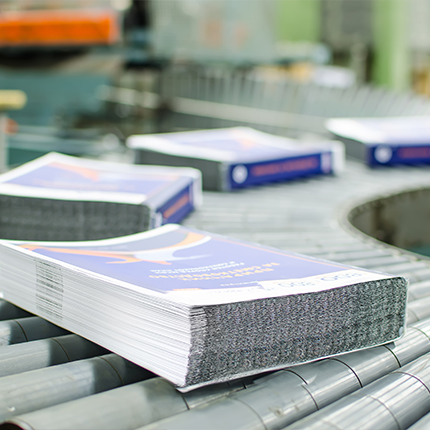
Print production done right isn't just about avoiding mistakes—it's about enabling the marketing team to focus on creativity and strategy. A well-trafficked print campaign moves efficiently from concept to press, saving time, reducing revisions, and delivering consistent, high-quality results.
When executed properly, campaigns build credibility, strengthen brand perception, and provide predictable outcomes for clients. Traffic management may happen behind the scenes, but it is the foundation that allows every campaign to shine.
FabCom's structured processes and attention to detail ensure that each project meets deadlines, looks polished, and achieves the intended impact. A carefully managed print workflow is more than logistics—it's a competitive advantage. In a world saturated with digital noise, thoughtfully executed physical advertising cuts through, creates real-world presence, and turns brand strategy into something audiences can see, touch, and experience.